
There is a particular kind of cruelty that only bureaucracies can invent. It doesn’t shout. It doesn’t threaten. It simply checks the wrong box on a form and then calmly insists the system is working exactly as designed.
For Gabriela Lozano Sousa, that box has meant five months in jail.

Gabriela entered the United States legally in 2023 through the federal humanitarian parole program created for Venezuelans fleeing one of the largest displacement crises in the Western Hemisphere. More than eight million people have fled Venezuela in recent years. The parole program was designed to provide a lawful pathway into the country.
She used it exactly as intended.
The U.S. government approved her travel authorization. She flew into Miami. She was inspected and paroled into the country by immigration authorities.
There was no illegal crossing. No evasion of border agents. No hiding.
She came through the front door.
For the next two years, Gabriela built a life in the United States. In April 2025 she married a U.S. citizen, just two days before her parole period ended. Like thousands of couples before them, they planned to pursue adjustment of status based on their marriage.
Then, in October 2025, a neighbor called police about a domestic dispute between the couple.
There were no allegations of physical violence. After reviewing the case, the Broward County State Attorney declined to file charges. The case was formally closed.
Ordinarily that would be the end of the matter.
Instead, it was the beginning of Gabriela’s detention.
ICE had already placed an immigration detainer on her. The day after the criminal case was dismissed, she was transferred into federal custody.
She has now been detained for five months.
According to court filings and statements from her family, the first days of her detention unfolded in chaotic fashion. Gabriela was held at the ICE Enforcement and Removal Operations office in Miramar, Florida for four days. During that time, her attorneys say she was not provided access to a bed or shower, and asthma medication that had been delivered to the facility was not given to her.
After that, the transfers began.
Gabriela was moved repeatedly between the Orlando ICE office and the Orange County Jail, often at seventy-two-hour intervals. Her attorneys argue the pattern appeared designed to avoid statutory limits on detention without charges.
Eventually she was transferred to Baker County Jail in Jacksonville.
That is where she remains.
Five months later, Gabriela still has not received a bond hearing.
The reason comes down to a single classification in her immigration paperwork.
Despite entering the United States legally and living in the country for two years, ICE designated Gabriela as an “arriving alien.”
In immigration law, that designation carries enormous consequences. Individuals classified as arriving aliens are generally placed under the mandatory detention framework of 8 U.S.C. §1225, which typically does not allow bond hearings before an immigration judge.
Her attorneys argue the classification is legally incorrect.
Gabriela was not apprehended at the border. She was paroled into the United States through an official federal program and had been living in the country for two years before her arrest.
Because of that, her lawyers argue her detention should fall under 8 U.S.C. §1226, the statute governing individuals arrested within the country. Under that framework, immigration judges can grant bond.
The distinction between those two statutes is not academic.
It determines whether a person can ask a judge for release — or remain jailed indefinitely while their case moves through the courts.
Gabriela’s attorneys filed a federal habeas petition challenging the detention.
In the government’s initial response, federal attorneys stated that Gabriela had entered the United States illegally — a claim her legal team says contradicts the humanitarian parole documentation included in the court record.
After the issue was raised, government counsel submitted an amended filing citing a recent appellate decision expanding interpretations of mandatory detention.
The legal dispute now sits before U.S. District Judge Jordan E. Pratt in the Middle District of Florida.
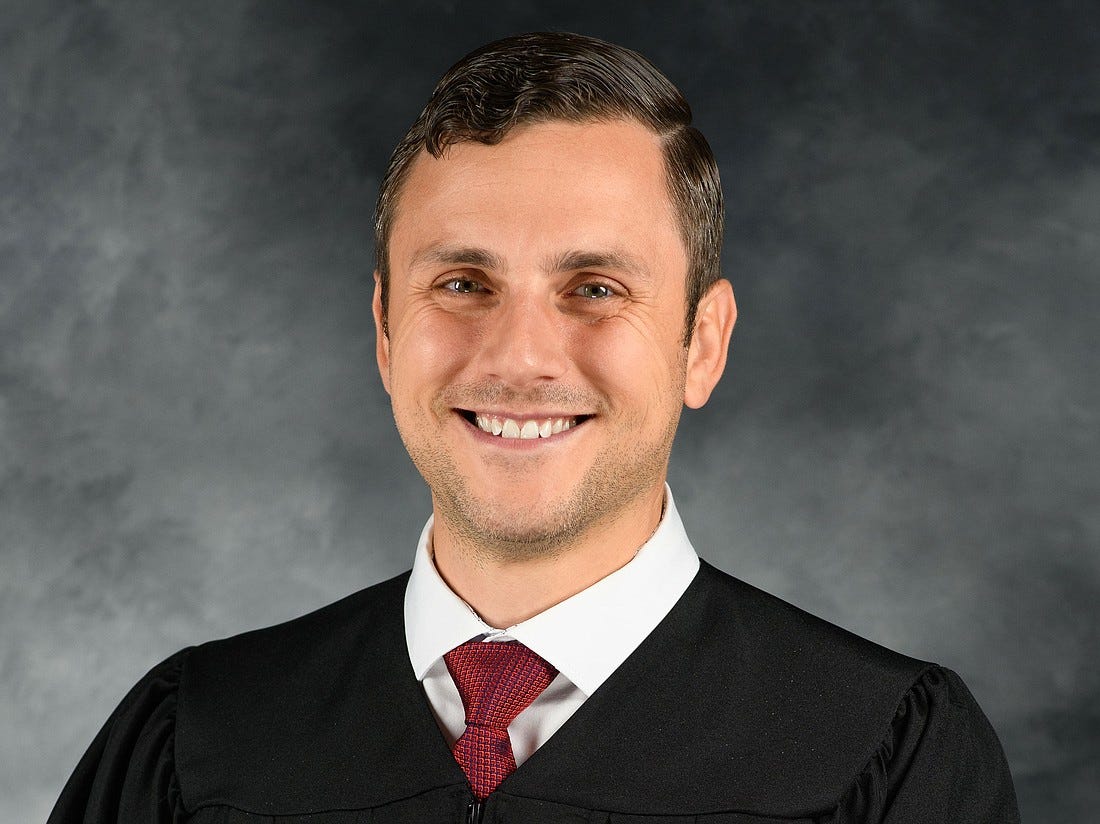
Pratt previously adopted a minority interpretation of immigration law that allows mandatory detention in cases like this.
But in a recent ruling involving another Venezuelan parolee, a different federal judge in the same district reached the opposite conclusion. In that case, the court rejected the interpretation used to justify mandatory detention and ruled that the detainee was entitled to a bond hearing.
Two federal judges.
Same district.
Same statute.
Opposite conclusions.
While the courts debate the meaning of the law, Gabriela remains in detention.
At the same time, removal proceedings continue in immigration court before Immigration Judge Pedro J. Espinal. Espinal had previously granted continuances while the federal habeas case moved forward. At a hearing earlier this month, however, he indicated he may not grant further delays.
If a removal order is issued, Gabriela could face a ten-year reentry bar because of unlawful presence after her parole period ended.
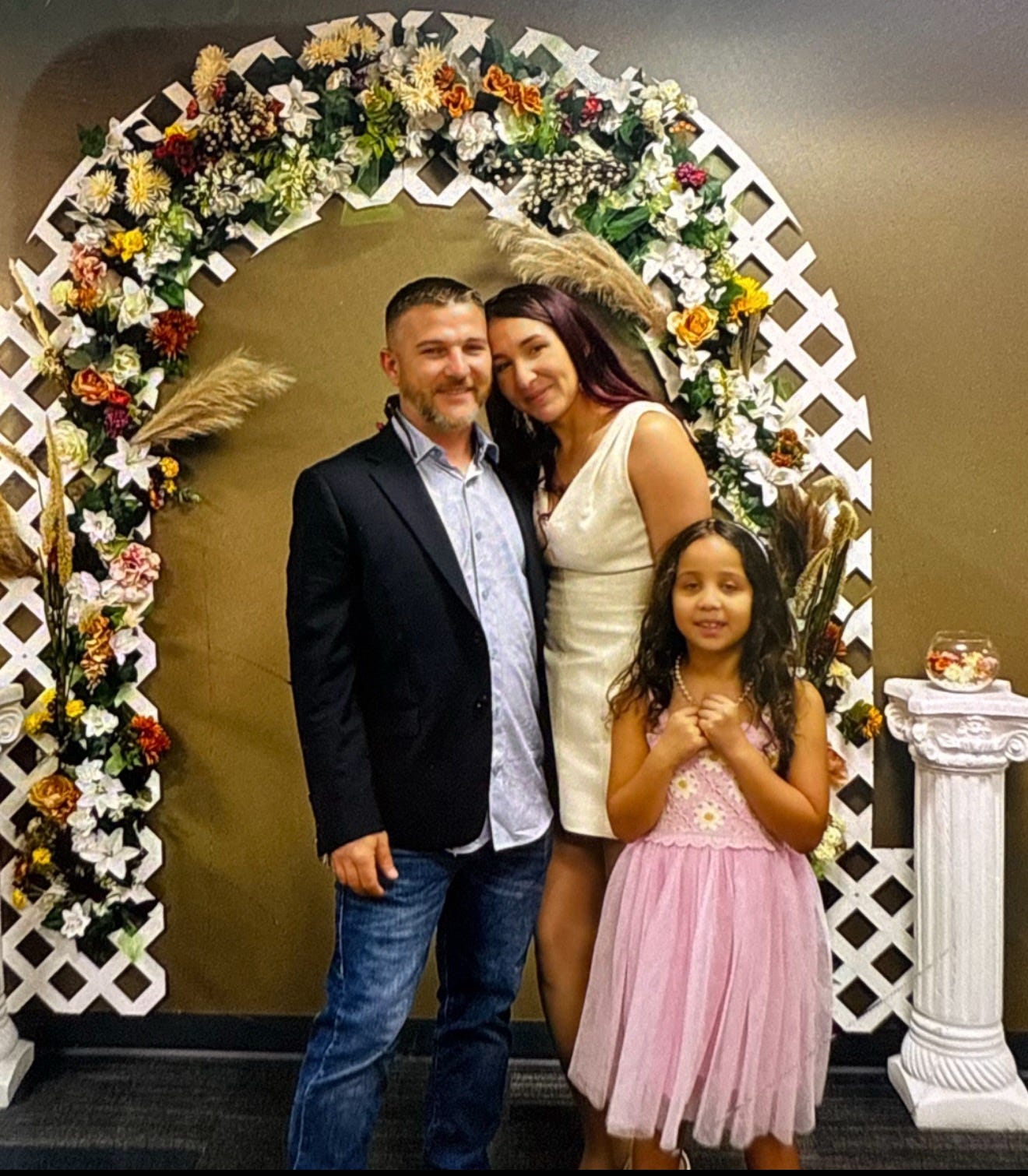
Her husband says the family is now considering an option they never imagined when they married.
Voluntary departure.
It sounds benign. In practice, it means leaving the United States and abandoning the fight in order to reduce the reentry ban to three years.
If that happens, he says he will relocate with Gabriela so they can remain together as a family.
He has never lived in Colombia. He does not speak Spanish fluently.
But five months of watching someone you love sit behind detention walls changes how people measure the future.
Gabriela Lozano Sousa entered the United States legally through a program designed to offer safe passage to people fleeing a humanitarian catastrophe.
Today she sits in a jail cell while federal courts argue over whether the government can legally treat her as if she had just arrived at the border.
Five months have already passed.
And the question at the center of her case remains unresolved.
In the modern immigration system, it turns out that following the rules does not always protect you from the consequences of them.
A fundraiser organized by Gabriela’s husband, Brandon Garrison, is attempting to raise modest financial support while her case winds through the courts.
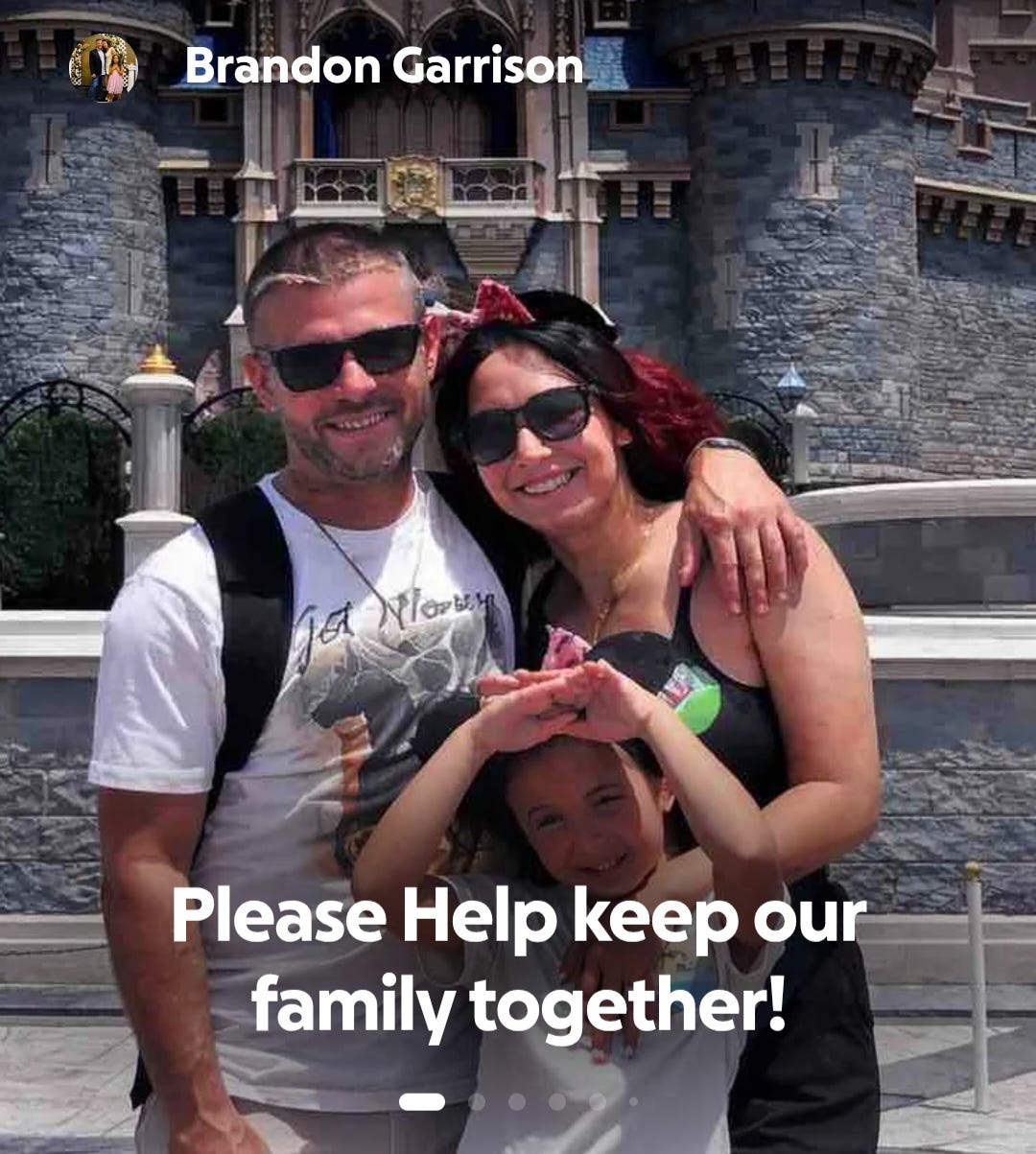
The GoFundMe was created to help cover legal expenses and prepare for two possible outcomes: posting an immigration bond if a federal judge orders her release, or relocation costs if the family is forced to leave the United States to avoid a decade-long reentry ban.
This post has been syndicated from CLOSER TO THE EDGE, where it was published under this address.