
Justo Betancourt did everything the way you are told to do it when you are trying to survive in America without illusions. He showed up. He stayed visible. He raised his children when their mother left early, not with speeches or slogans, but with years. Years of meals and rides and late nights and being the last adult standing when it mattered. His daughter Arianne says he was both her dad and her mom, and you don’t need to romanticize that to understand the weight of it. That kind of parenting doesn’t leave much room for mistakes. You either show up or you don’t. He showed up.
He built a life in full view of the system that now pretends he is disposable. He did not hide. He did not vanish. He complied. He went to his routine immigration check-in the way he had before, the way he was required to, believing that following the rules still meant something. That belief cost him his freedom.
He never came home.
Instead, Justo was swallowed by immigration enforcement, first sent to the Everglades detention site people grimly call Alligator Alcatraz, then transferred to Krome, a concrete ICE detention center in Miami where time stretches and rights blur and families wait for answers that never quite arrive. He is diabetic. He requires insulin. He requires daily medication. His family says he was told that if he wanted insulin, he could get it in Mexico. Read that sentence again until it fully lands. A grandfather with a chronic medical condition was told his survival might be someone else’s problem, in someone else’s country.
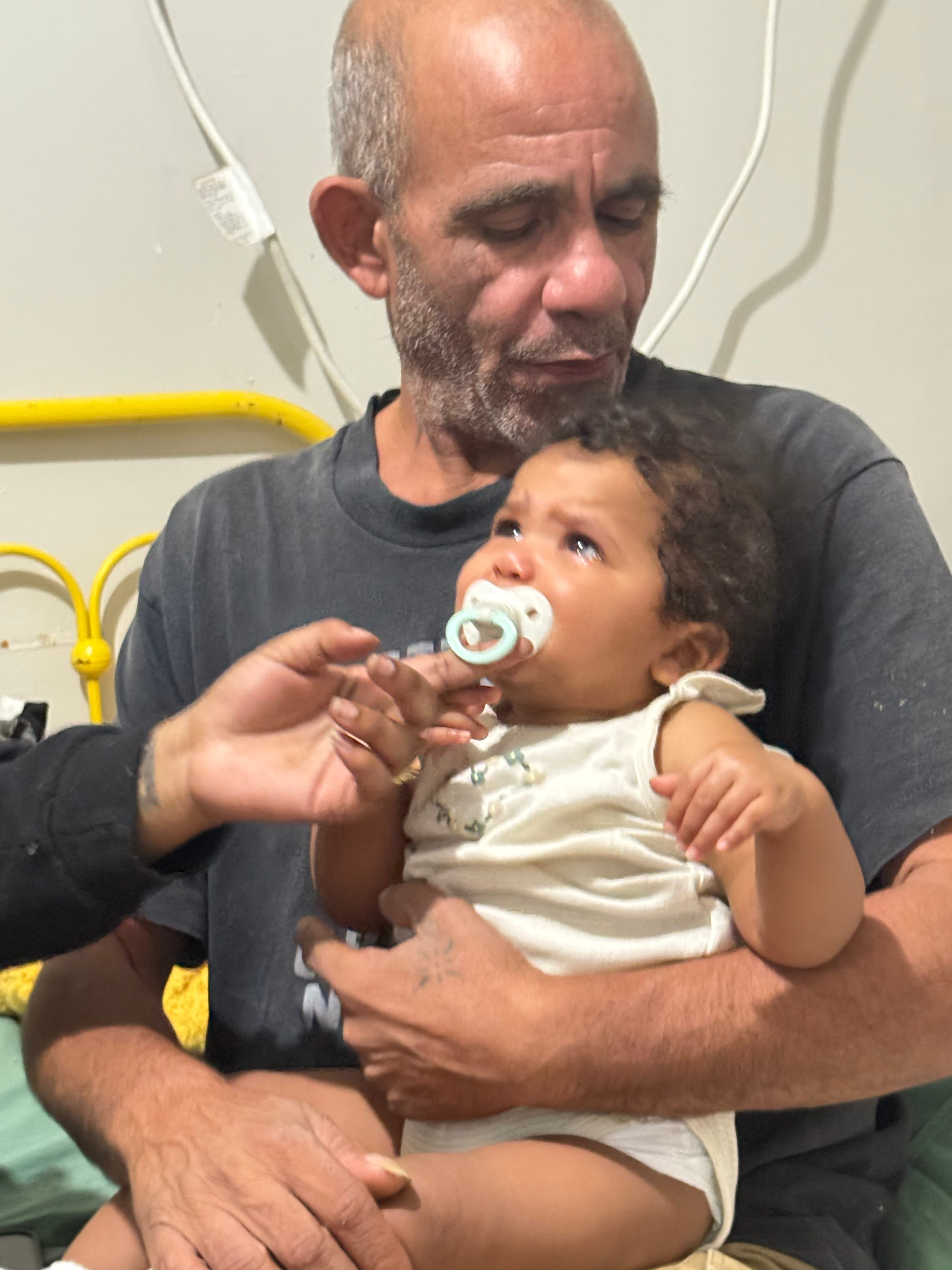
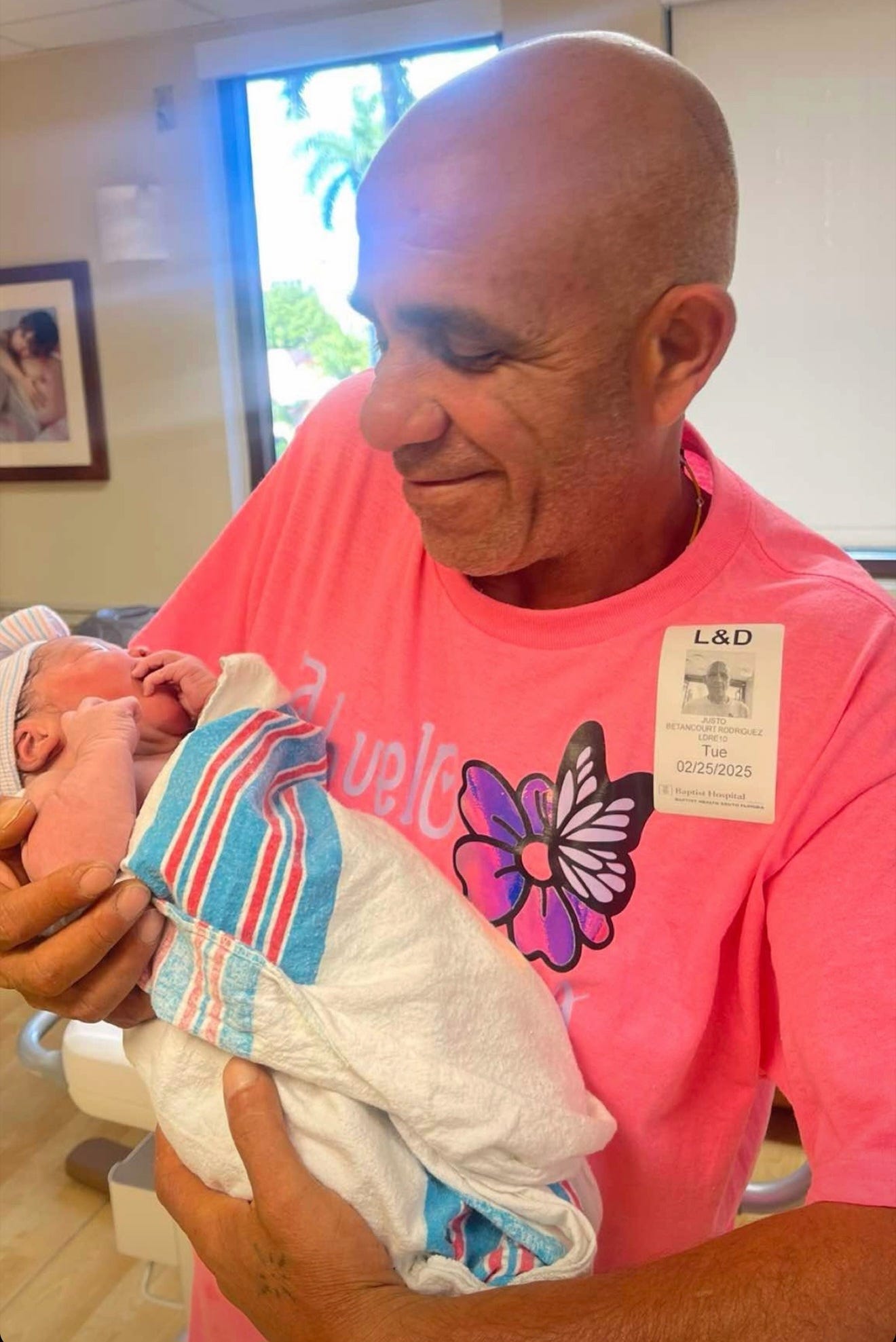
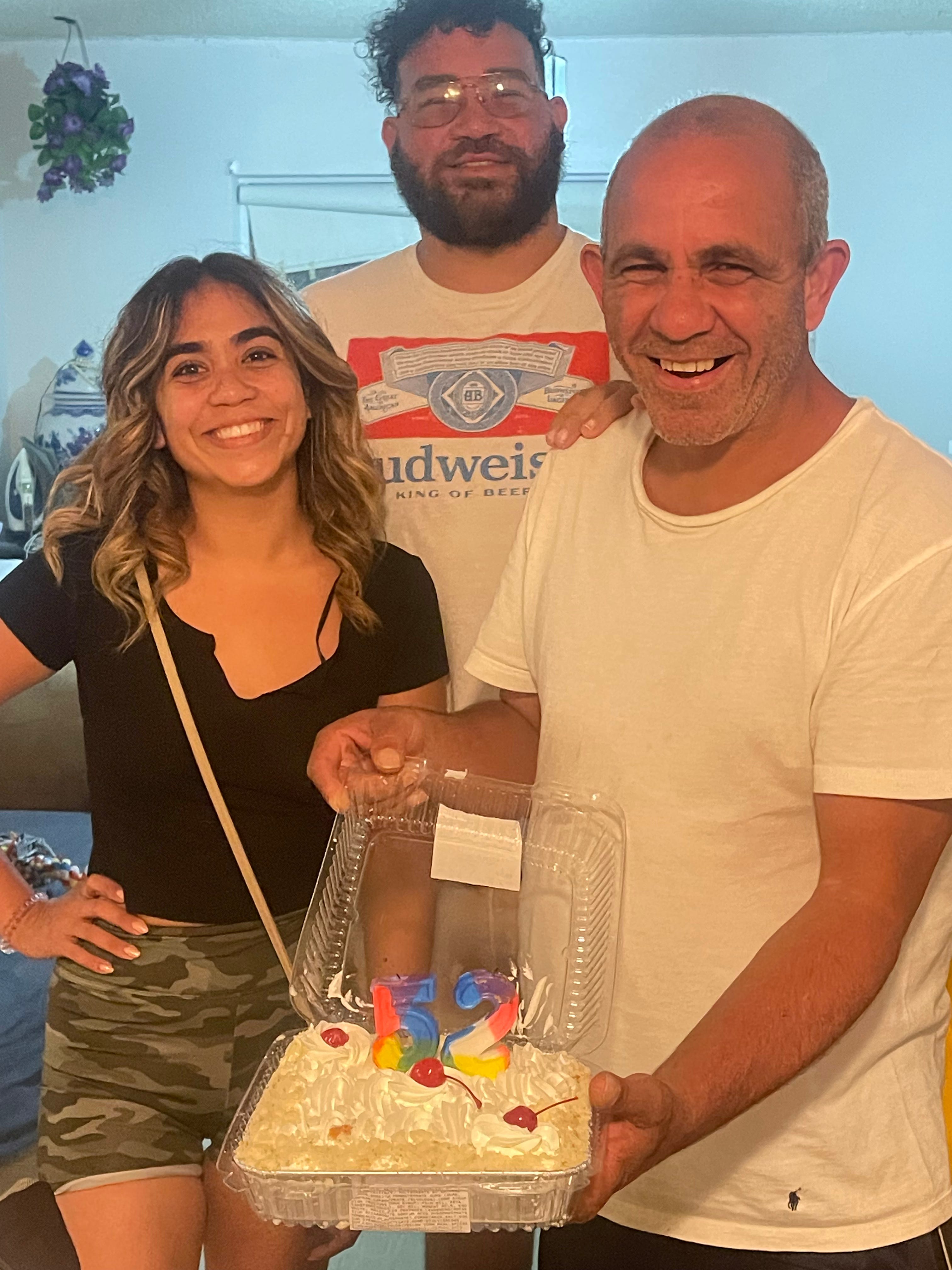
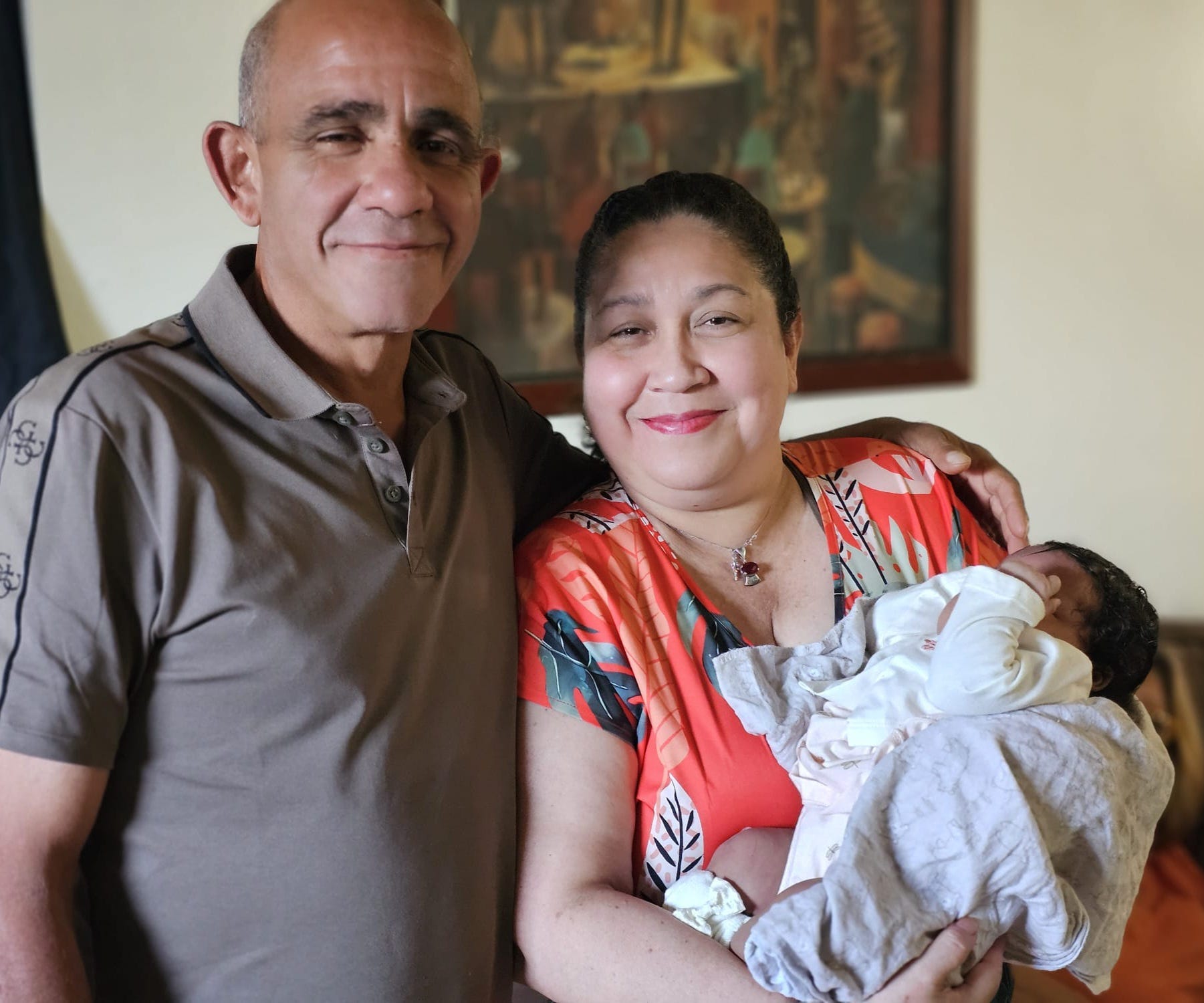
This is not an abstract policy debate. This is not a border talking point. This is a man whose hands have already held his grandchildren. There are photos that prove it. Photos that span years. Birthdays. Living rooms. Hospital rooms. A man holding a newborn with that stunned tenderness that only comes when you realize you’ve made it far enough in life to be needed again. That is what is at stake here. Not theory. Not ideology. A real family that already exists.
Multiple news outlets have now confirmed the same core facts. This is not rumor or exaggeration. Justo was detained at a routine check-in. He has serious medical needs. He has been moved between facilities. He does not yet have a scheduled hearing date. His family fears he could be deported without ever standing in front of a judge. This is the quiet violence of bureaucracy doing exactly what it was designed to do when no one is watching.
What makes this unbearable is not just what is happening to Justo. It is what is being asked of the rest of us. The system depends on our ability to look away, to flatten people into categories, to accept that compliance no longer protects you and compassion is optional. It depends on us telling ourselves that this is unfortunate but inevitable, that someone else will speak up, that outrage is exhausting and silence is easier.
But silence is not neutral. Silence is how a grandfather disappears while paperwork catches up later.
WHAT YOU CAN DO
If you are reading this, you are already involved. You are involved because you now know that a man who raised his children alone, who stayed, who worked, who complied, is sitting in detention without a hearing date, dependent on whether strangers decide he deserves insulin today. You are involved because this is happening not in secret, but in plain sight, with names, faces, and photographs that refuse to be abstracted.
Write your representatives. Not with perfect language, but with urgency. Write your senators and demand to know why due process vanishes the moment someone walks into an immigration office. Write your governor and ask why cooperation with a system that treats medical care as leverage is acceptable. Write newspapers and ask why this isn’t front-page news everywhere families still believe compliance matters.
And if you are anywhere near South Florida, show up on Sunday. Stand at the prayer vigil. Stand where families stand. Let the people inside know that they are not invisible, that their names are being spoken, that their lives are not being quietly erased while the rest of us scroll past.
This is not about asking for special treatment. This is about refusing to accept that a life built over decades can be discarded in an afternoon. It is about insisting that being a father, a caregiver, a grandfather, a human being still counts for something.
Justo Betancourt is not a statistic. He is already loved. He is already missed. And what happens next depends on whether we decide that seeing him clearly obligates us to act.
Listen to Justo’s daughter, Arianne Betancourt, speak at the weekly prayer vigil near the entrance to Alligator Alcatraz.
VIDEO CREDIT: Jose Mejia
This post has been syndicated from CLOSER TO THE EDGE, where it was published under this address.